
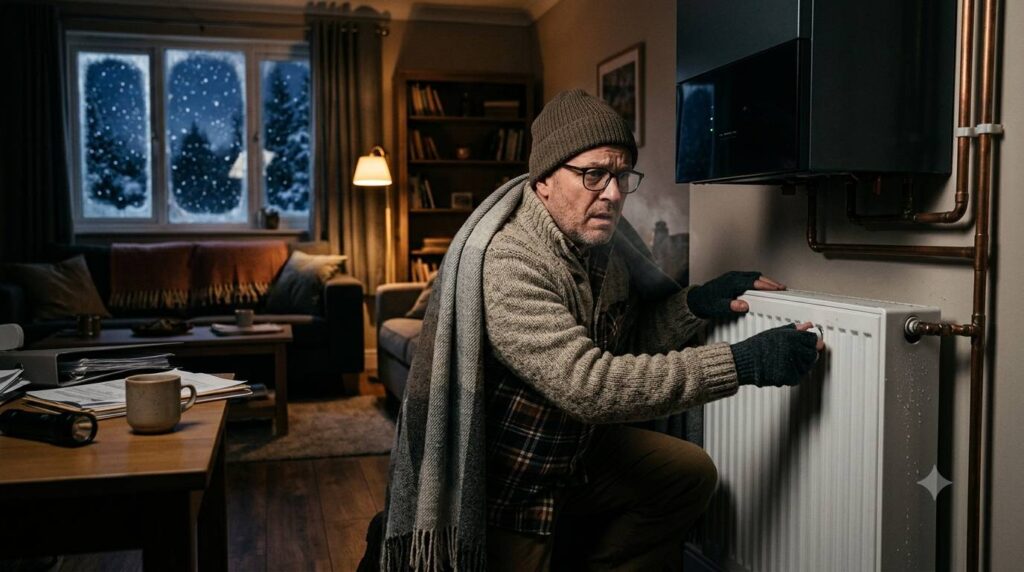
Many heating problems begin as minor annoyances that homeowners dismiss until the system fails on the coldest night of the year. Strange noises, uneven temperatures, or a slight rise in energy bills often signal developing issues that grow more expensive and disruptive when left unaddressed. Recognizing these early warnings and acting on them can prevent breakdowns, extend equipment life, and keep repair costs manageable.
Homeowners who notice persistent performance changes frequently benefit from calling a qualified heating contractor Warner Robins, GA before a small problem escalates into a full system replacement.
Unusual Noises That Signal Trouble
Heating systems should operate with a relatively consistent, low-level sound. Banging, screeching, rattling, or whistling noises usually indicate something is wrong. Banging or clanking can point to delayed ignition in a gas furnace or expanding ductwork that has come loose. Screeching or squealing often stems from a worn blower motor bearing or a failing belt. Rattling may mean loose panels, debris in the blower, or a struggling inducer motor.
Ignoring these sounds allows worn parts to damage neighboring components. A failing motor bearing, for example, can seize and take out the blower assembly. Addressing noise early typically involves a simpler, less costly repair than waiting for complete failure.
Uneven Heating and Cold Spots
Rooms that never reach the thermostat setting or floors that feel noticeably colder than others are common complaints. While some temperature variation is normal in multi-story homes, large differences often reveal restricted airflow, duct leaks, or a failing blower. Closed or blocked vents, dirty filters, and crushed flexible ducts reduce the volume of warm air reaching distant rooms.
In some cases the heat exchanger or burner assembly is no longer delivering full capacity, so the system runs longer without achieving even comfort. Over time, short-cycling caused by poor airflow increases wear on the heat exchanger and controls. Simple steps such as replacing filters, opening all supply vents, and checking for obvious duct damage can improve distribution, but persistent cold spots usually require professional diagnosis.
Rising Energy Bills Without a Clear Cause
A sudden or steady increase in heating costs, especially when outdoor temperatures and thermostat habits have not changed, often means the system is working harder than it should. Dirty burners, a clogged filter, low refrigerant in a heat pump, or a failing blower motor all reduce efficiency. The equipment may still produce heat, yet it consumes more fuel or electricity to do so.
Many homeowners attribute higher bills solely to colder weather and delay investigation. By the time the system can no longer keep up, efficiency losses have already added unnecessary expense and stress to major components. Tracking monthly usage and comparing it with prior seasons provides an early alert that maintenance or repair is overdue.
Frequent Cycling or Continuous Running
A furnace or heat pump that turns on and off every few minutes, or one that runs almost without stopping, is operating outside its design parameters. Short-cycling can result from an oversized system, a malfunctioning thermostat, restricted airflow, or a heat exchanger that overheats and trips the limit switch. Continuous running may indicate undersizing, significant heat loss through the building envelope, or a control board that no longer regulates properly.
Both patterns accelerate wear. Compressors, inducer motors, and heat exchangers accumulate extra cycles or operating hours that shorten their service life. Correcting the underlying cause restores normal operation and protects the equipment from premature failure.
Weak or Inconsistent Airflow
When the air coming from supply registers feels weak, the blower may be dirty, the filter severely restricted, or the duct system leaking or undersized. In heat pumps, low refrigerant charge also reduces airflow temperature and volume. Weak airflow leaves rooms uncomfortable and forces longer run times.
Dust and debris that accumulate on the blower wheel compound the problem by further reducing capacity and unbalancing the motor. Cleaning or replacing the blower assembly and restoring proper duct performance usually returns airflow to normal levels and lowers the strain on the entire system.
Strange Odors During Operation
A light burning smell at the start of the heating season can be normal as dust burns off heat exchangers or elements. Persistent or strong odors are different. A sulfur or rotten-egg smell near a gas furnace requires immediate attention because it may indicate a gas leak. Musty smells often point to mold in the ductwork or around the unit. Sharp electrical odors can signal overheating wiring or a failing motor.
Dismissing unusual smells risks both equipment damage and indoor air quality problems. Any odor that does not disappear quickly after startup deserves prompt investigation.
Visible Signs of Wear or Age
Yellow burner flames instead of steady blue, rust on the cabinet or flue pipe, water leaks around the unit, or an aging thermostat that no longer holds calibration are physical clues that the system is deteriorating. Cracks in a heat exchanger are particularly serious because they can allow combustion gases into the living space.
Homeowners sometimes continue operating equipment that shows clear external deterioration because it still produces some heat. Continuing to run a compromised heat exchanger or severely corroded components raises safety and reliability risks that far outweigh the cost of timely evaluation.
Delayed Response to Thermostat Changes
When the system takes an unusually long time to respond to a thermostat adjustment or fails to reach the set temperature on design days, capacity or control issues are likely. A weak flame sensor, failing capacitor, or declining compressor performance can all produce sluggish response. Waiting until the unit can no longer maintain any reasonable temperature often means the failure occurs under the highest load, when repair technicians are busiest and temporary heating measures become necessary.
Acting Before the Breakdown
Most of the problems described above give measurable warning signs weeks or months before complete failure. Keeping a simple log of noises, temperature inconsistencies, and energy use helps identify trends. Replacing filters on schedule, keeping outdoor units and vents clear, and scheduling annual professional maintenance catch many issues while they remain minor.
When warning signs appear, arranging an inspection rather than waiting for the next cold snap limits both inconvenience and expense. Heating systems that receive attention at the first clear indication of trouble consistently outlast those that are run until they stop. Recognizing and responding to common early symptoms remains one of the most effective ways to avoid emergency repairs and preserve reliable winter comfort.
Conclusion
Ignoring common heating problems almost always leads to more expensive repairs, reduced efficiency, and unexpected heating system failures at the worst possible time. From unusual furnace noises and uneven heating to rising energy bills and weak airflow, early symptoms of heating issues provide valuable opportunities to intervene before major components fail. Homeowners who respond quickly to these warning signs maintain better comfort, lower operating costs, and longer equipment lifespan.
Staying alert to common heating system problems and scheduling timely professional evaluation remains one of the most effective ways to avoid emergency breakdowns and ensure dependable heat when it is needed most.