
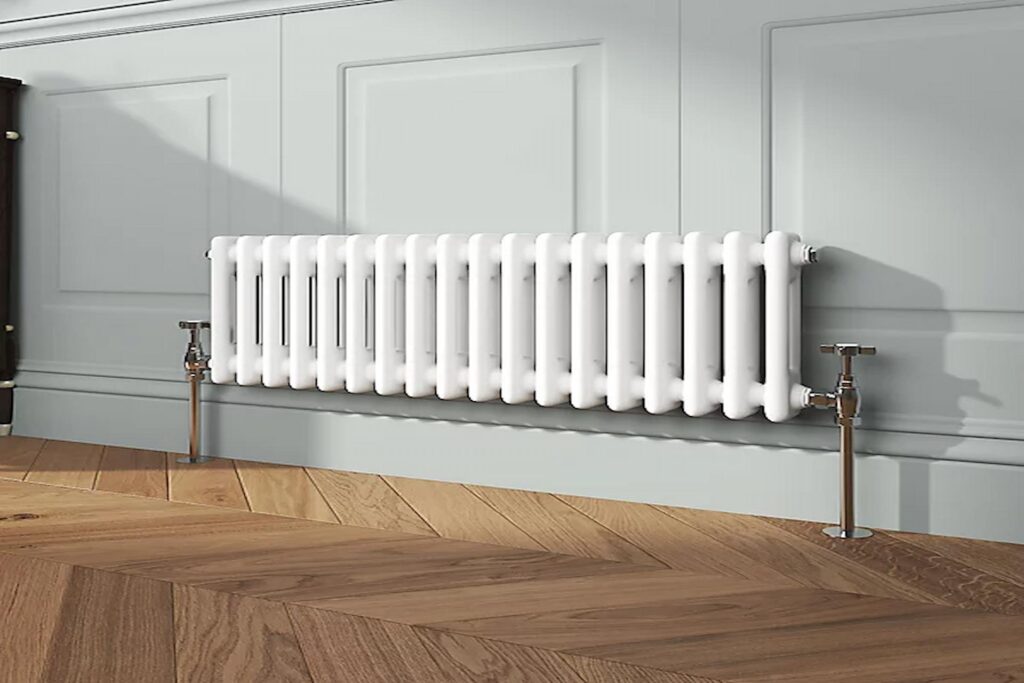
Creating a wet room is one of the most rewarding home improvement projects you can undertake. It transforms a standard bathroom into a sleek, open-plan sanctuary that maximises space and offers unparalleled accessibility. However, the very nature of a wet room—where the entire space is designed to handle direct water exposure and high humidity—presents unique challenges for heating. Standard heating solutions that work perfectly well in a conventional bathroom will quickly succumb to the damp environment, leading to rust, inefficiency, and premature failure.
To ensure your new space remains warm, comfortable, and safe, selecting specialist radiators for wet rooms is an absolute necessity. The right choice does far more than just take the chill out of the air on a brisk winter morning. It actively helps to dry out the room after use, preventing the build-up of mould and condensation that can damage grout, plasterwork, and fixtures. Investing time into understanding the technical specifications required for this environment will save you significant money and hassle down the line, ensuring your beautiful sanctuary remains pristine for years to come.
Understanding Ingress Protection (IP) Ratings
The first and most critical factor to evaluate when sourcing heating appliances for high-moisture zones is the Ingress Protection rating, universally known as the IP rating. This international standard grades the resistance of an electrical or mechanical enclosure against the intrusion of solids and liquids. In an open-plan showering environment, water vapour and direct splashes are inevitable, making these ratings your primary line of defence.
When browsing options for radiators for wet rooms, you must pay close attention to the second digit of the IP code, which specifically denotes liquid protection. For safety and compliance with UK Building Regulations, any electric or dual-fuel heating element situated near a water source must meet strict zonal requirements. A rating of IPX4 or higher is generally mandated for areas prone to splashing, ensuring that the internal components remain completely insulated from moisture.
Material Selection: Combating the Threat of Rust
In an environment where moisture hangs in the air constantly, the material composition of your heating unit dictates its lifespan. Standard mild steel radiators, which are common in living rooms and bedrooms, are highly susceptible to corrosion when exposed to a damp atmosphere. Over time, the moisture eats away at the exterior finish, leading to unsightly blistering and orange rust spots.
Stainless Steel vs Aluminium
To avoid the heartbreak of a deteriorating fixture, homeowners should focus on premium alternative materials that offer natural resistance to moisture:
- Grade 304 Stainless Steel: This is widely considered the gold standard for humid environments. It contains high levels of chromium and nickel, creating a passive layer of chromium oxide that naturally prevents surface rust.
- Aluminium: Known for its exceptional thermal conductivity, aluminium heats up and cools down far quicker than steel. It does not rust, making it highly durable, though it requires specific corrosion inhibitors within a central heating system to prevent internal galvanic corrosion.
- Low-Carbon Steel with Epoxy Coating: If budget constraints steer you toward steel, ensure the product features a high-grade powder coating or epoxy finish that has been salt-spray tested to withstand humid conditions.
Power Source Options: Central Heating, Electric, or Dual-Fuel
How your heating connects to your energy supply alters how practical it is throughout the changing seasons. The three primary configurations each come with distinct advantages for an open-showering layout.
Central Heating Radiators
These connect directly to your existing boiler system. While highly cost-effective to run during the winter months when your heating is turned on, they can leave your wet room feeling damp and cold during the summer. Without the central heating running, towels will struggle to dry, which can lead to musty smells.
Pure Electric Radiators
Operating independently of your central heating, electric units are filled with a thermodynamic fluid or feature dry-element technology. They can be turned on at any time of year via a simple switch, timer, or smart thermostat, offering excellent localised control over the room’s climate.
Dual-Fuel Solutions
This hybrid approach provides the ultimate flexibility for modern homes. Dual-fuel units connect to your central heating pipework for winter use but also contain an independent electric element. This allows you to run the heater via mains electricity during the summer months to dry your towels and clear condensation, without needing to heat the rest of the house.
Sizing and Heat Output Requirements
A common mistake is selecting a heater based purely on its aesthetic appeal or dimensions, without calculating the required British Thermal Units (BTUs) or Watts. Wet rooms generally require more heat than standard bathrooms because the open layout and extraction systems naturally pull warm air out of the space.
Essential Features to Look For
To simplify your shopping process and ensure maximum efficiency, look for the following attributes when comparing different models:
- High BTU or Wattage Rating: Always use a specialised BTU calculator that accounts for exposed brickwork, large windows, and high-powered extractor fans.
- Multi-Rail Configurations: Models with generous spacing between bars allow multiple towels to dry simultaneously without blocking the heat from radiating into the room.
- Hard-Wearing Finishes: Chrome finishes look beautiful but reduce heat output by around 20% compared to painted or matte textures. Look for anthracite, matte black, or brushed brass powder coatings for superior thermal efficiency.
- Smart Thermostatic Controls: Integrated timers and open-window detection help minimize energy wastage by automatically turning the unit down when sensors detect a sudden drop in temperature.
Complete Comfort Guide
Your chosen installation must strike a balance between high thermal output and long-term durability. To summarize the ideal path forward for your project, ensure your checklist covers these core principles:
- Prioritize IPX4 or IPX5-rated elements if opting for any electric functionality.
- Choose Grade 304 stainless steel or high-grade aluminium over standard mild steel.
- Select a dual-fuel configuration to enjoy warm, dry towels during the summer months.
- Calculate your BTU requirements generously to compensate for high-power extraction.
The Warmth Verdict
Choosing the right heating for an open-plan wet room requires a careful balance of material quality, safety ratings, and thermal power. Investing in premium stainless steel or aluminium ensures your fixture defies rust, while an IPX4 rating guarantees electrical safety amid high humidity. Opting for a dual-fuel system delivers year-round comfort, keeping the space dry and hygienic even in summer. By prioritizing these technical factors alongside your aesthetic choices, you create a cozy, moisture-free environment that preserves your home’s integrity and elevates your daily routine.